+44 1753 439 289 [email protected]


INTERACTIVE ROUNDTABLES: 20 CREATIVE MODERATOR IDEAS TO ENGAGE YOUR AUDIENCE
When the stakes are high, the last thing you want is an event that feels like every other corporate roundtable. Too often, the format follows the same predictable script — familiar faces, familiar questions, and a conversation that struggles to leave a lasting impression. That’s where a moderator steps in!
But firstly, what is a roundtable? According to Tech company CVENT;
“A roundtable discussion is a structured conversation where participants sit to share ideas, opinions, or expertise on a specific topic. Key characteristics include open dialogue, equal participation, and collaborative problem-solving. They’re used for brainstorming, decision-making, and knowledge sharing.”
WHY HIRE A MODERATOR FOR YOUR ROUNDTABLE?
Today’s conference audiences expect more than passive observation. They want to be involved, heard and given the opportunity to contribute — and that requires more than simply putting a group of experts around a table.
A skilled moderator creates the structure and environment for meaningful discussion. They know how to ask the right questions, bring quieter voices into the conversation, challenge assumptions and keep the discussion moving towards a clear objective.
Whether your event requires a deep dive into the future of STEM or a nuanced debate on the financial landscape, moving from monologue to genuine dialogue can transform the experience for everyone in the room.
At Great British Moderators, we understand that a roundtable is more than a meeting. Done well, it becomes a strategic tool for sharing expertise, challenging ideas and generating meaningful outcomes.
So, how can you make your next roundtable more engaging, purposeful and memorable?
Here are 20 innovative ways to transform the traditional roundtable — and make the most of your moderator.
INNOVATIVE FORMATS & STRUCTURED DIALOGUE
1. START WITH THE OUTCOME — THEN DESIGN THE DISCUSSION
Before the first delegate enters the room, establish what you want participants to think, feel and do when they leave. From there, the questions, format and flow can be shaped around those outcomes, ensuring the conversation stays purposeful rather than becoming a series of disconnected contributions.
2. USE AN EXPERT OPENER — THEN TURN IT INTO DIALOGUE
Keep opening remarks concise and impactful, ideally no more than 20 minutes. The real value comes from having someone take those ideas and turn them into a conversation — challenging assumptions, drawing out different perspectives and getting delegates actively involved.
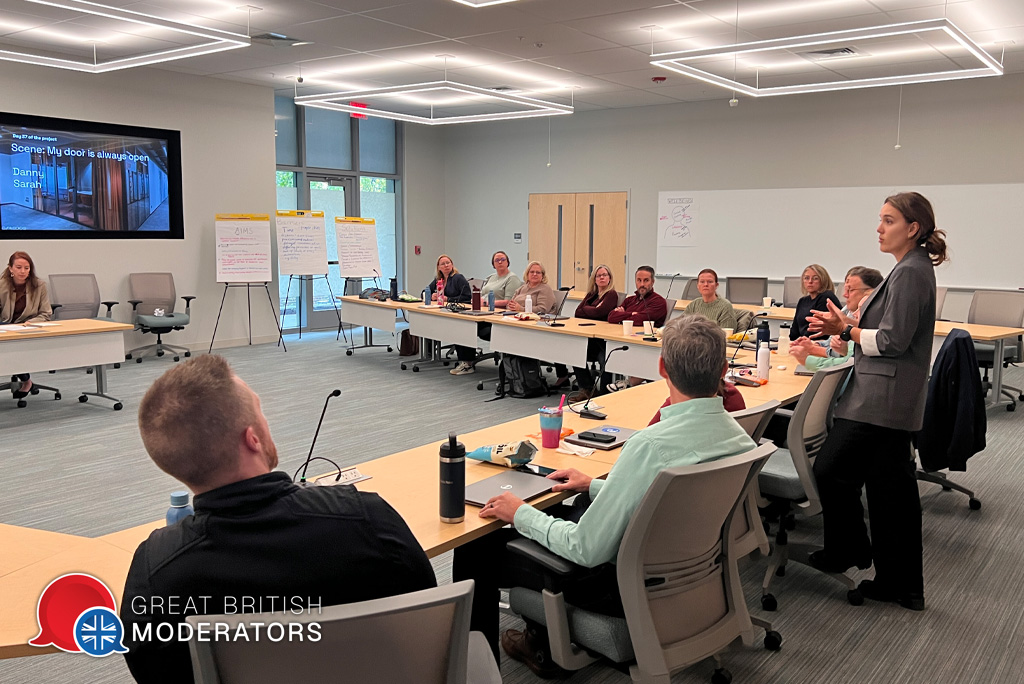
3. MAKE ROTATION STATIONS WORK WITH FACILITATED DISCUSSIONS
Topic-based breakout stations can create energy and variety, but they need structure. A facilitator at each station can keep the group focused, encourage participation and ensure key insights from one discussion feed naturally into the next.
4. MAKE IT CLEAR: THIS IS A DISCUSSION, NOT A PRESENTATION
Set expectations before the event that delegates are there to participate. An experienced moderator can reinforce this from the outset, creating an environment where people feel comfortable contributing, challenging ideas and asking questions — rather than sitting back and waiting to be spoken to.
5. BRING DIFFERENT PERSPECTIVES INTO THE ROOM
Assign tables or groups different viewpoints — such as Customer, Finance or Operations — and ask them to debate a particular scenario. The discussion can then be steered to probe the thinking and bring those contrasting perspectives back together, creating a richer conversation.
6. TURN DISCUSSION INTO ACTION
A well-structured session shouldn’t simply end when the conversation does. Ask each table to identify two concrete actions and one unresolved question, creating a clear framework for drawing together the key takeaways and demonstrating the value of the session.

LEVERAGING TECHNOLOGY FOR SEAMLESS INTERACTION
7. LET LIVE POLLING GIVE YOUR MODERATOR SOMETHING TO CHALLENGE
Real-time polling can reveal where the room agrees — and, more importantly, where it doesn’t. A moderator can use those results to challenge assumptions, ask follow-up questions and put unexpected findings back to the room.
8. USE AI TO SUPPORT THE MODERATOR — NOT REPLACE THEM
AI can help capture themes, summarise discussions or provide live insights, but human facilitation remains essential. A skilled moderator can interpret those outputs, identify what matters and turn data into a meaningful conversation.
9. USE TECHNOLOGY FOR MORE WAYS TO ENGAGE
Multiple audio channels or simultaneous breakout discussions can create more flexible event formats. With the right moderators or facilitators guiding each conversation, participants can move between discussions without losing the thread or purpose of the event.
10. TURN THE SOCIAL WALL INTO A LIVE CONVERSATION
Displaying attendee comments, video reflections or live responses creates another source of audience insight. A moderator can bring those contributions into the room, respond to emerging themes and give delegates a reason to engage beyond simply watching the screen.
11. BRING HYBRID AUDIENCES INTO THE SAME CONVERSATION
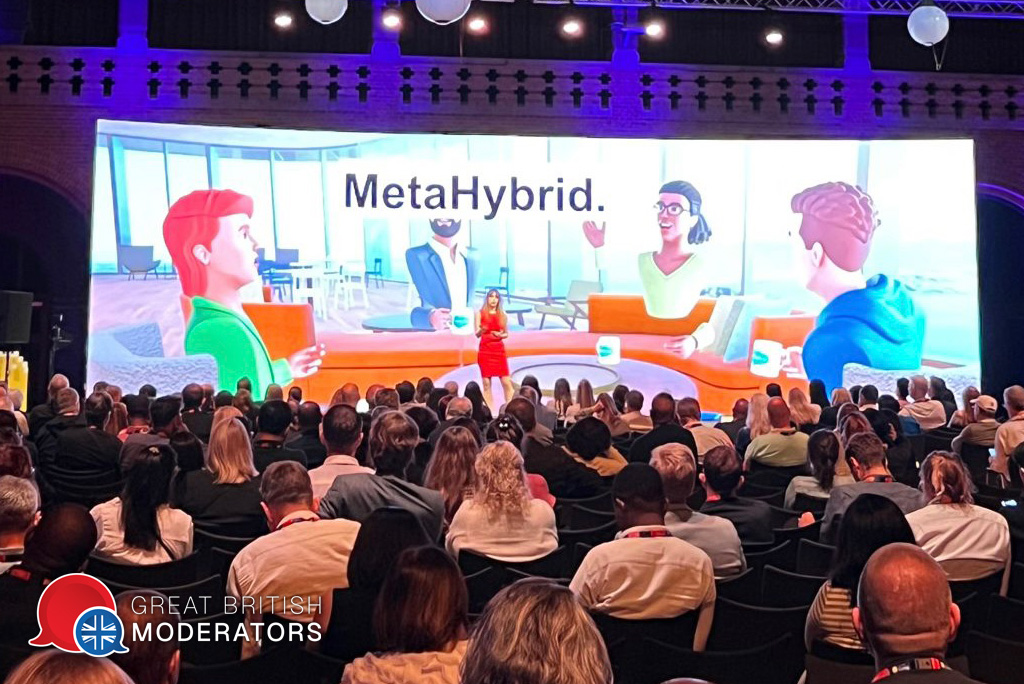
AR, immersive technology and virtual event platforms can create shared visual experiences, but the technology alone won’t make a hybrid audience feel connected. A moderator plays a crucial role in ensuring remote and in-room participants are equally heard, addressed and involved.
CREATING IMMERSIVE ENVIRONMENTS
12. LET THE ENVIRONMENT SET THE SCENE — MODERATORS SET THE CONVERSATION
Immersive 360° environments can make complex topics tangible and memorable. A moderator can use the setting as a springboard for discussion, connecting the experience back to the business challenge and keeping the conversation focused.
13. USE SENSORY CUES TO SUPPORT THE FLOW
Changes in lighting, sound and atmosphere can signal a transition from one part of the event to another. The moderator then provides the human connection between those moments, helping participants understand what is changing and where the conversation is going next.
14. TURN INTERACTIVE ART INTO A SOURCE OF INSIGHT
Interactive installations can capture the words, ideas and themes emerging from delegates throughout the event. A moderator can bring those themes back into the discussion, using the collective input of the room to shape the conversation.
15. MAKE BREAKS PART OF THE CONVERSATION
Experiential breaks don’t have to mean switching off completely. A moderator can introduce simple challenges or conversation prompts that keep delegates thinking about the central theme — while giving them a much-needed change of pace.
SOCIAL MECHANICS & AUDIENCE ENGAGEMENT
16. BREAK THE ICE
Speed networking can help delegates feel more comfortable before the main discussion begins. A moderator can structure the activity, introduce the prompts and create an immediate sense that this is an event where participation is expected.
17. TAKE THE CONVERSATION BEYOND THE STAGE
Topic-led food and drink stations can turn informal networking into another opportunity for engagement. Moderators can introduce discussion prompts that encourage delegates to continue exploring the event’s themes away from the main room.
18. KNOW WHEN TO PAUSE THE CONVERSATION
High-intensity events can quickly lead to cognitive overload. A good moderator understands the energy of the room and knows when to slow things down, introduce a reset or change the pace — helping delegates stay engaged rather than simply pushing through the agenda.
19. MAKE SPACE FOR THE QUIETER VOICES
Not everyone wants to compete for airtime. An experienced moderator knows how to spot who hasn’t contributed, bring quieter voices into the conversation and create different ways for people to share their thinking.
20. GIVE THE AUDIENCE THE FINAL WORD
A pop-up media zone can capture delegate reflections throughout the event. Those insights can then be brought back into the closing discussion, allowing the moderator to connect individual experiences with the bigger themes, outcomes and commitments from the day.
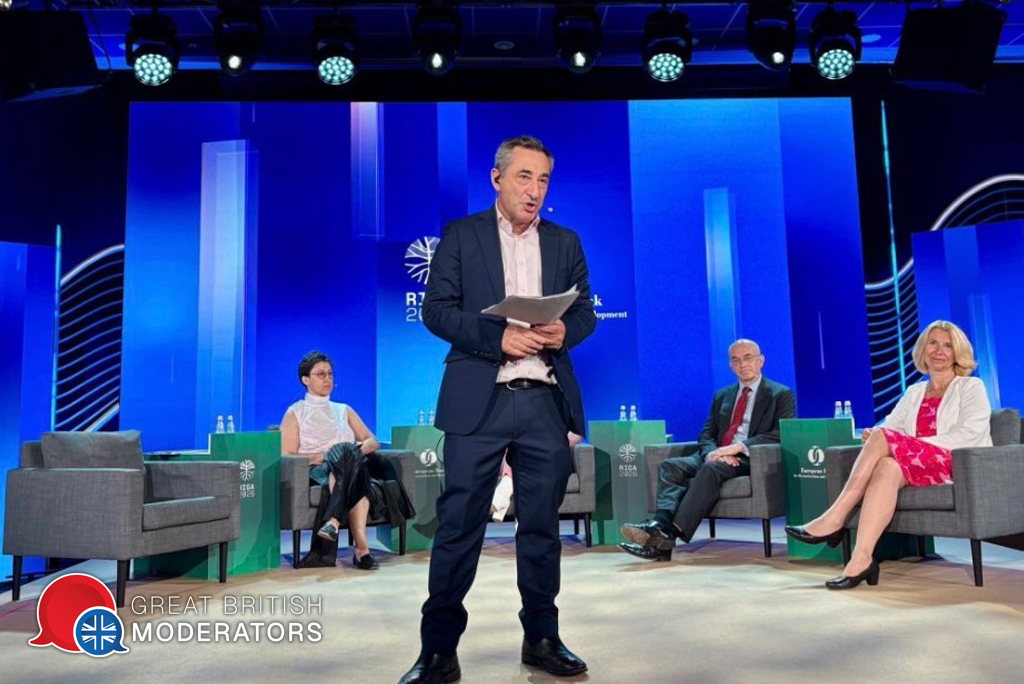
THE NECESSITY OF EXPERT MODERATION
Whether you are navigating the intricacies of sustainability or the fast-moving world of AI and technology, the success of these interactive elements depends entirely on the calibre of facilitation. Without a professional at the helm, complex interactive formats can quickly become chaotic, or worse, fail to achieve a meaningful consensus.
Our team at Great British Moderators serves as more than just a host; they are an expert curator who manages diverse perspectives and handles live discussions under pressure. They ensure that the dialogue remains focused, that the “why” is always at the forefront, and that every participant feels heard. Failing to invest in high-quality facilitation is perhaps the greatest risk an organiser can take, as it jeopardises the clarity of the message and the ROI of the entire event.
The difference between a standard meeting and a transformative event is the depth of engagement. By implementing these twenty creative strategies and partnering with a specialist who understands your sector, be it healthcare, finance, or automotive, you ensure your roundtable is not just talked about, but remains the catalyst for genuine business progress.
READY TO TRANSFORM YOUR NEXT ROUND-TABLE?
Let’s find the perfect moderator for your event.
When planning an interactive session where every voice matters and every insight counts, expert moderation is crucial to keeping the discussion focused, inclusive, and commercially impactful.
To speak with our team about a bespoke moderator shortlist for your next event, please get in touch:
- Email: [email protected]
- Phone: 01753 439289
- Website: www.greatbritishmoderators.com