+44 1753 439 289 [email protected]


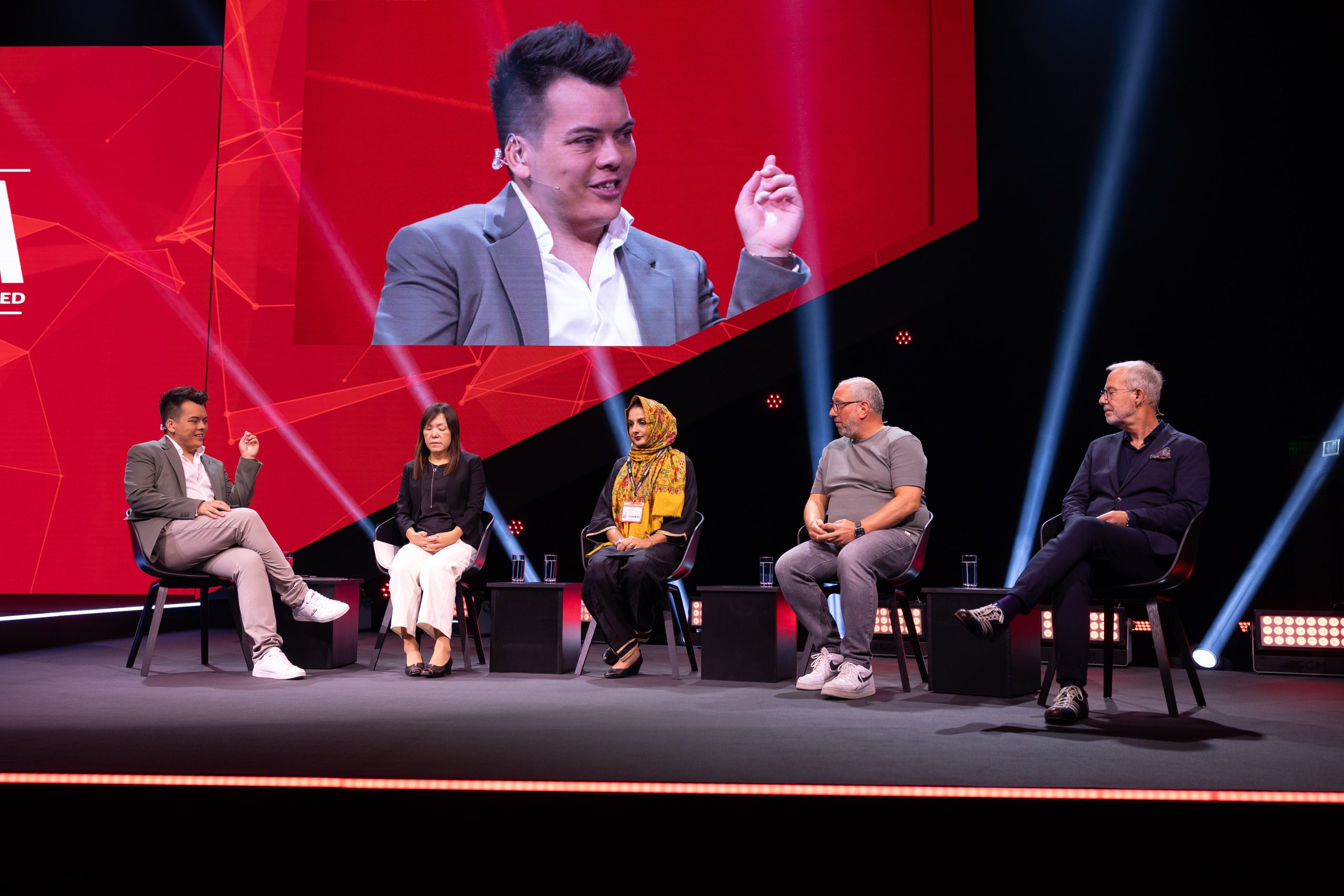
In the 2026 conference landscape, attendees are no longer satisfied with being passive spectators; they expect depth, authenticity, and human connection.
Whether your event requires an international summit moderator or a trusted host for an intimate corporate retreat, the panel discussion remains a crucial part of the live event experience. Yet, despite its importance, poor panel planning is one of the most common conference mistakes, leading to disengaged audiences, missed opportunities, and a diminished event experience.

Image: Reuben Christian
When a panel fails, it is not simply a lull in the schedule; it is a missed opportunity to strengthen brand authority, communicate strategic messages clearly, and foster genuine dialogue. Identifying these common pitfalls is the first step towards a more impactful outcome.
Here are seven mistakes event organisers could be making with live event panels, and how a professional moderator helps prevent them.
1. THE LACK OF A DEFINED NARRATIVE ARC
If your panel is framed as a vague “conversation about [Topic],” it is already in trouble. Without a clear purpose, discussions quickly devolve into surface-level generalisations and repetitive talking points. In the era of “meaning,” audiences can sense a lack of connection from the first minute.
A professional conference moderator fixes this by acting as the Outcome Architect.
They don’t just “ask questions”; they co-create a sharp objective with organisers and builds a narrative arc that moves from context to tension and, finally, to actionable synthesis.
By signalling the promise to the audience at the start: “You will leave with three practical plays for Q4”: our moderators promise to transform a generic chat into a high-value session.
2. OVER-STUFFING THE STAGE
When hosting a high-stakes event, the temptation to include every senior stakeholder on one stage is strong. However, six panelists sharing a 45-minute slot results in minimal airtime for each voice. Nuance is sacrificed for speed, and the most dominant speaker inevitably takes over, leaving the quieter experts sidelined.
To avoid this, we recommend right-sizing your panel to a maximum of three or four diverse perspectives.
A professional event moderator manages these power dynamics with seamless precision. They use directed questions to ensure the practitioner’s reality is weighed equally against the strategist’s vision, creating a balanced, inclusive environment that reflects the complexity of the subject matter. This matters because well-managed balance does more than improve flow; it protects credibility, fosters inclusive environments, and allows more insightful contributions to emerge.
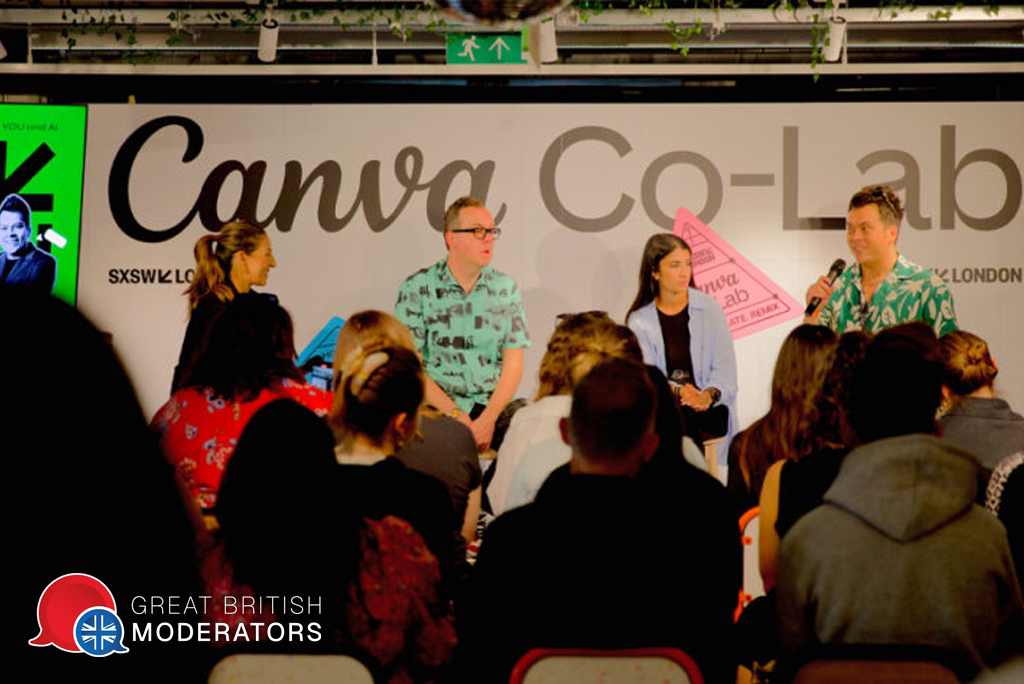
Image: Nick Kwek
3. TREATING THE AUDIENCE AS SPECTATORS
When organisers fail to bridge the gap between the stage and the seats, they create perhaps the most frequent panel error.
The “fourth wall” should be invisible. – If Q&A is left to the final five minutes, the room’s collective intelligence has already been underused.
Furthermore, professional moderators bring an engaging energy that breaks down these barriers quickly. By designing interaction from the outset — utilising live polls or a mid-panel show of hands — they turn passive listeners into active participants. This shift from broadcast to co-creation is the hallmark of a modern, meaningful event. More importantly, it gives audiences a stake in the discussion, improves retention of key messages, and creates a more impactful experience for everyone in the room.
4. NAVIGATING TECHNICAL COMPLEXITY WITHOUT A BRIDGE
In specialist sectors like AI, fintech, or the STEM fields, panels often spiral into jargon-heavy monologues that alienate half the room. When the content is too dense, the audience disconnects.
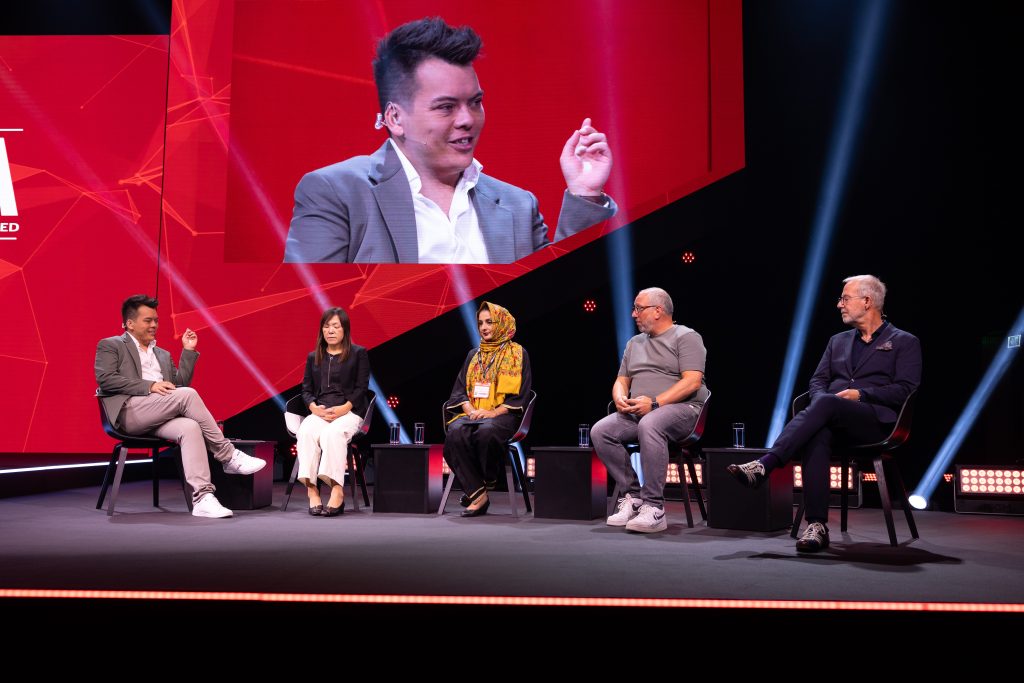
This is where a specialist like Jeremy White, Senior Innovation Editor at WIRED, becomes indispensable. As a panel moderator, he acts as the translator. He possesses the deep sector knowledge to challenge experts on their own terms while simultaneously framing their insights in a way that is impactful for the wider business audience. He ensures that technical clarity never comes at the expense of engagement, which is crucial when businesses need complex ideas to land with decision-makers, investors, and attendees alike.

Image: Jeremy White
5. IGNORING THE “ELEPHANT IN THE ROOM”
When a panel avoids the controversial or challenging aspects of a topic, it loses credibility. Audiences today are highly attuned to corporate speak and sanitized PR lines. A safe panel is often a forgettable panel.
Experienced broadcast journalists like Roger Harrabin (pictured) bring a level of journalistic rigor that prevents this. Having spent decades at the BBC covering climate change and sustainability, Roger knows how to ask the difficult questions that others might avoid. By tackling the elephant in the room with tact and authority, he fosters a sense of trust and authenticity that is crucial for transformative dialogue. That skill is especially valuable when organisations need to demonstrate transparency, protect reputation, and guide insightful discussions without allowing sessions to become combative or unclear.

6. OVERLOOKING CULTURAL AND LINGUISTIC NUANCE
In today’s dynamic landscape, events are rarely local. If your panel features international speakers or a global audience, failing to account for cultural nuance can lead to misunderstandings, diluted messaging, or a lack of cohesion.
Whether your event requires a bilingual English/German expert like Matt Beadle or a polished English/French professional like Michelle Livings, a multilingual moderator is a strategic asset. They do not just translate words; they translate intent. They help automotive brands, technology businesses, and sustainability summits communicate clearly across European markets, bridging the gap between diverse international backgrounds seamlessly. This is a crucial advantage because it reduces friction, strengthens clarity, and ensures every participant feels included rather than peripheral to the discussion.
7. FAILING THE “TIME STEWARDSHIP” TEST
When a panel meanders, overruns, and ends with a rushed, confusing conclusion, it can damage the momentum of the entire event. Without a professional at the helm, introductions become too long, the middle becomes muddled, and the “so what?” is entirely lost.
A professional conference moderator is there to ensure your conference maintains a steady, authoritative pace – their role is to keep the narrative on course, landing the session cleanly with a synthesis of concrete takeaways. Beyond the room, they understand how to curate these moments into valuable content assets, shaping questions that lead to strong soundbites for social clips and post-event community engagement. This level of stewardship is impactful because it protects the audience experience, preserves schedule integrity, and helps organisers extract lasting value from a single session.
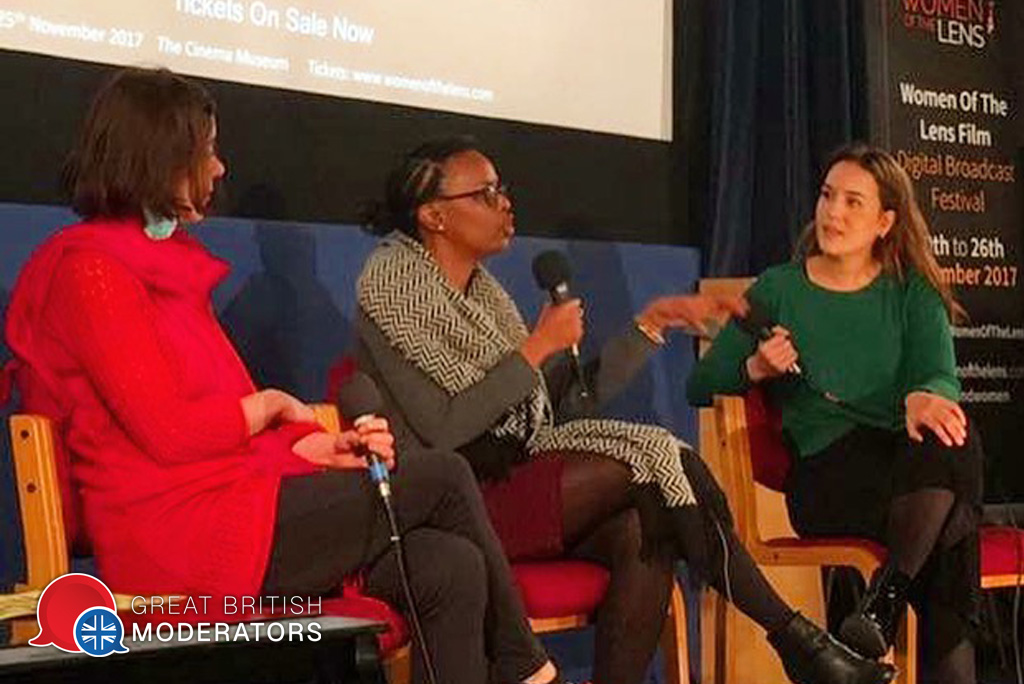
Image: Juliana Pflaumer
PARTNER WITH THE EXPERTS AT GREAT BRITISH MODERATORS
In a world where attention is the most valuable currency, a poorly executed panel is an expensive mistake. By moving from mass reach to meaningful connection, organisers give their events a far better chance of delivering lasting impact, stronger audience trust, and more insightful outcomes.
At Great British Moderators, we specialize in matching each event brief with seasoned professionals who can guide seamless, authoritative, and engaging discussions. From AI experts to multilingual broadcasters, our roster is carefully curated to ensure complex messages are delivered with clarity, confidence, and purpose.
When planning your next panel, our team is here to offer supportive, consultative guidance and help you identify the right moderator for your event brief:

 +44 1753 439 289